
In many rural and remote communities in Nicaragua, schools face daily challenges that go far beyond the classroom. Basic necessities—trained teachers, books, electricity, running water, and safe toilets—are often missing. Computers remain out of reach, even as digital access becomes increasingly essential in today’s world.
For the children attending these schools, the barriers don’t end there. Most come from families living in poverty or extreme poverty, where daily hardships often mean arriving at school hungry and struggling to focus on learning.
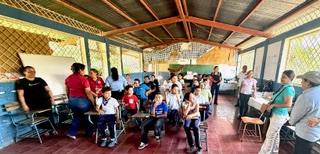
Yet in the face of these realities, something remarkable is taking root.
Kenoli’s partner, FEDICAMP, is working alongside communities to turn challenges into opportunities. During our visit to three schools in the municipality of Pueblo Nuevo, Nicaragua we witnessed firsthand the power of collaboration. Students, teachers, and parents came together to create school gardens—growing vegetables, fruits, and medicinal herbs to supplement school meals and improve nutrition.

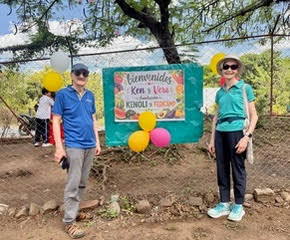
What makes this achievement even more extraordinary is the environment in which it was accomplished. With no rain for seven months and no water source at one of the schools, growing food seemed nearly impossible. But determination prevailed. Parents and students carried water from a nearby neighbour and learned to use drip irrigation techniques to conserve every precious drop. Against all odds, the gardens began to flourish.
The transformation didn’t stop there.
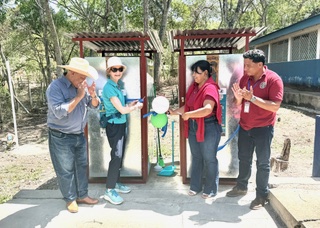
The schools’ latrines had long fallen into disrepair, creating serious sanitation challenges. In response, and with FEDICAMP’s support, the communities came together to build new latrines and handwashing stations—restoring dignity, health, and safety for students and teachers alike. Together with the Mayor of Pueblo Nuevo, we celebrated this milestone with a proud inauguration.
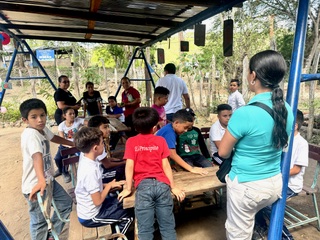
Even small details made a big difference. Previously, children sat on the ground to eat their lunches under the scorching sun. By carefully stretching Kenoli’s funds, FEDICAMP and the schools created simple covered eating areas—offering shade, comfort, and a sense of care.
Everywhere we looked, there was pride. Pride in the gardens, in the new facilities, and in what had been achieved together. Teachers, students, and parents all played a role in creating meaningful, lasting change.
And we couldn’t be prouder of them—and of FEDICAMP—for this inspiring work that is improving the lives of children, one school at a time.